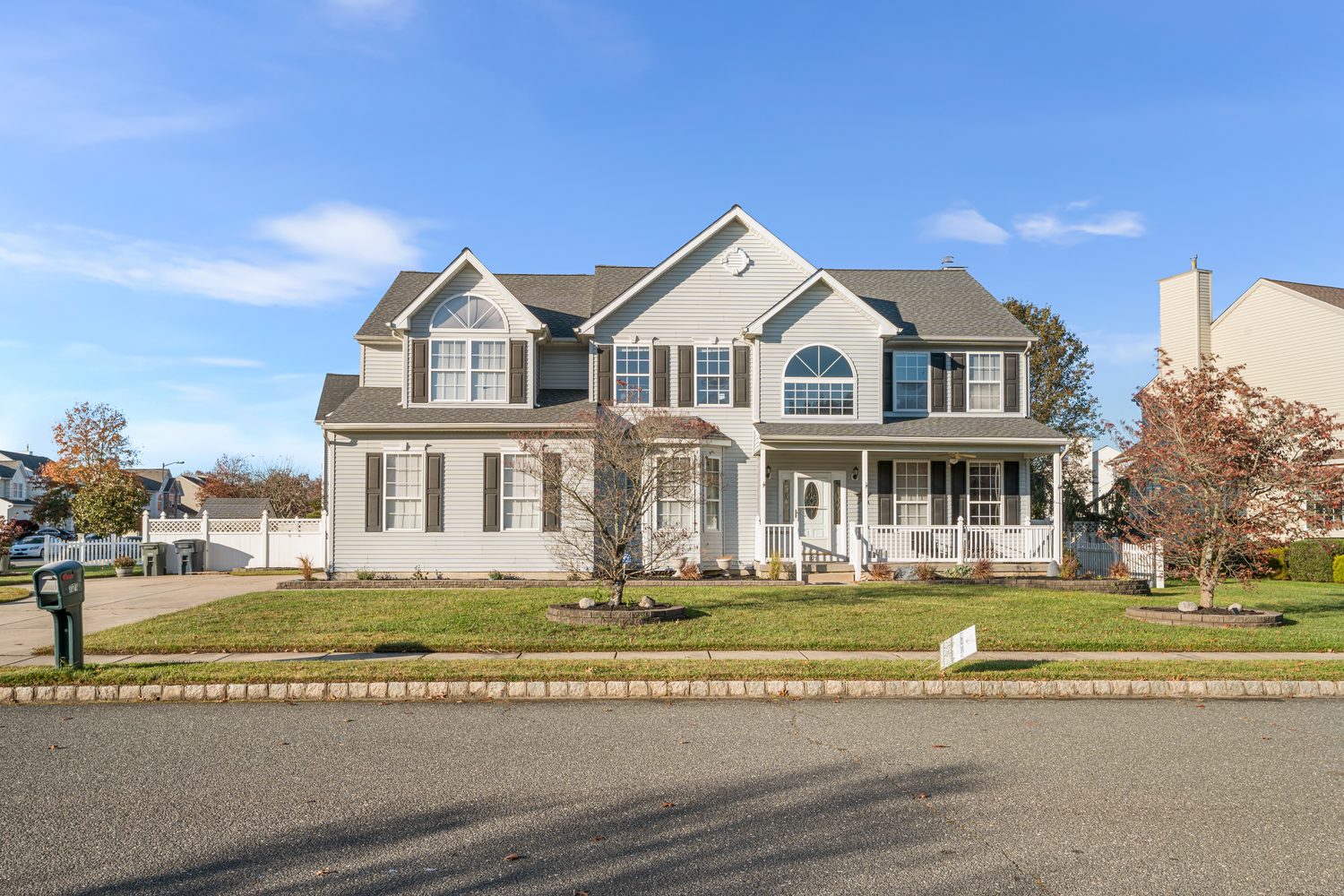
Supportive housing · South Jersey
Somewhere steady to come back to.
A real house in a quiet neighborhood, minutes from the center—with practical support, familiar routines, and room to build confidence outside treatment hours.
A weekday at the house
Structure when it helps. Breathing room when it matters.
The house is not another treatment room. It is where the rest of the day becomes manageable: getting to clinical care, making dinner, moving your body, attending a meeting, and coming home to people who know the plan.
8:15 am
Leave for clinical programming
The house leaves together. A quick Wawa or Starbucks stop can be part of the ride.
Weekends
Recovery still has a life in it.
Support that changes with you
More structure first. More flexibility as you progress.
The rhythm at the house reflects your current level of care and your individual plan. PHP generally begins with more structure; IOP may allow more independence as stability and responsibility grow.
What stays steady
A live-in house manager and 24/7 on-site staff support.Residents are supported, accounted for, and never left to navigate a difficult moment without someone available at the house. On-site team members are trained behavioral-health technicians with CPR, naloxone (Narcan) administration, and safety-protocol training.
The exact amount of structure is individualized. A level of care never acts as an automatic promise of a specific privilege, schedule, or length of stay.
The house
A home that feels like a home.
No clinical signage and no institutional setting—just shared living spaces, a kitchen, places to unwind, and a neighborhood around you.
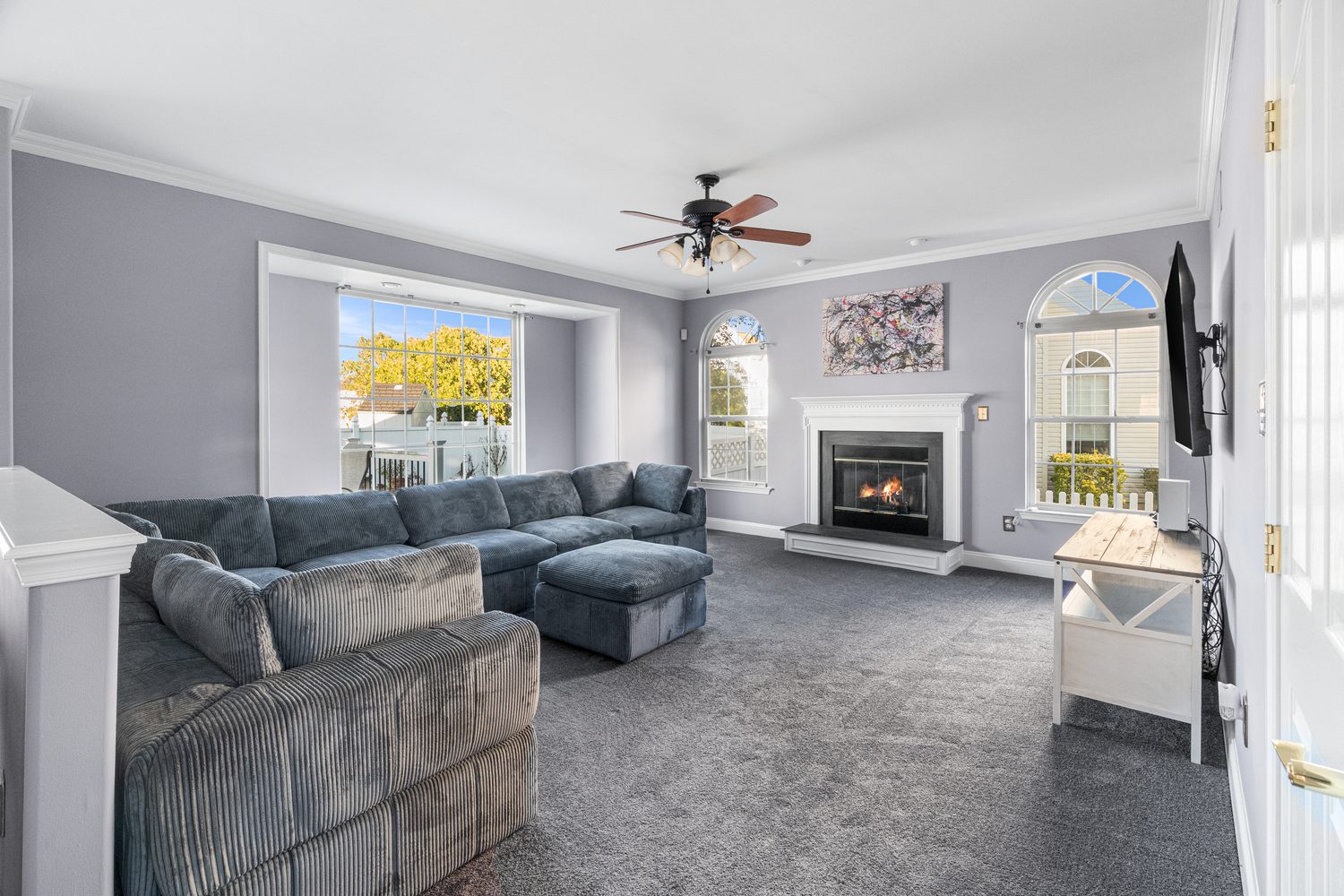
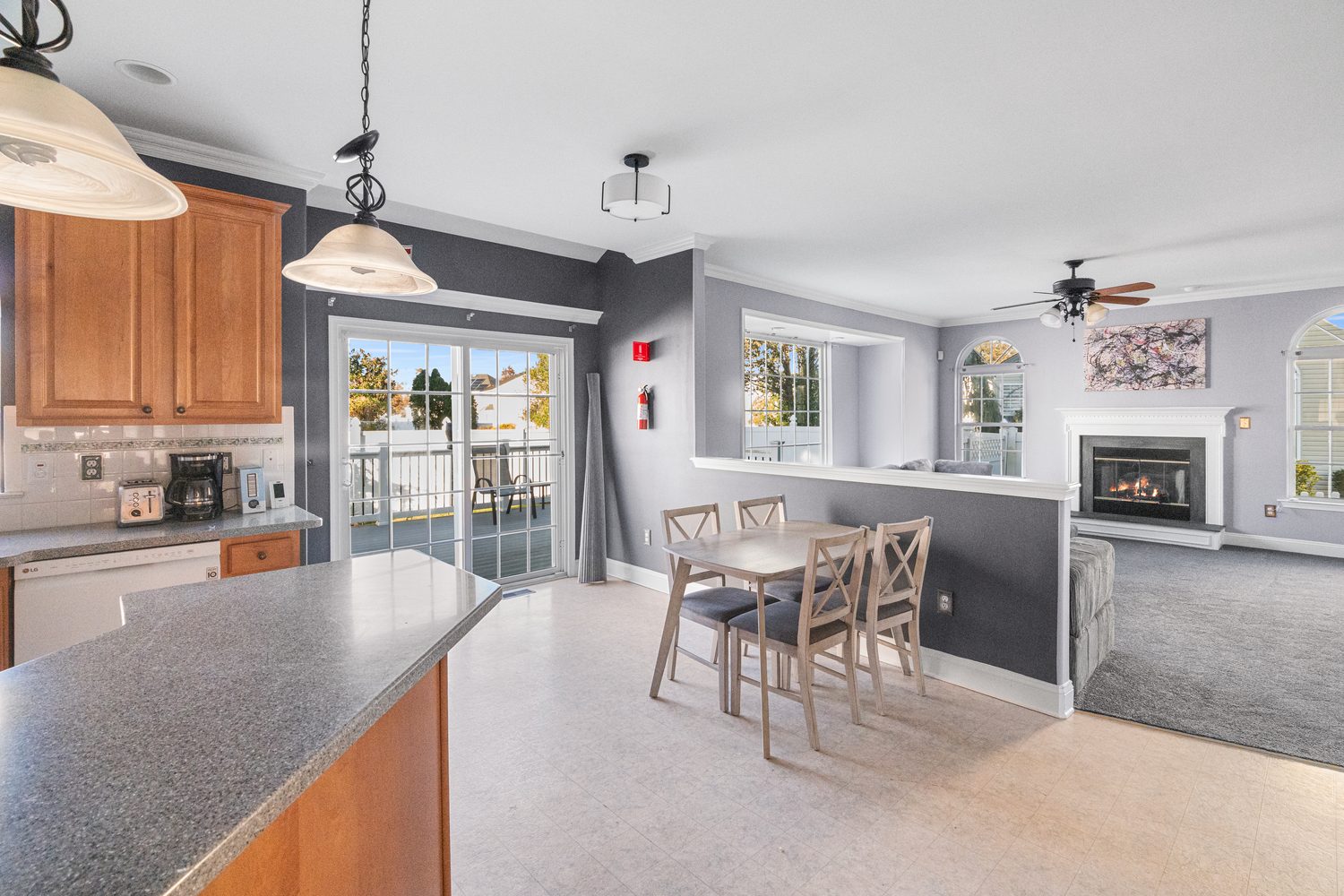
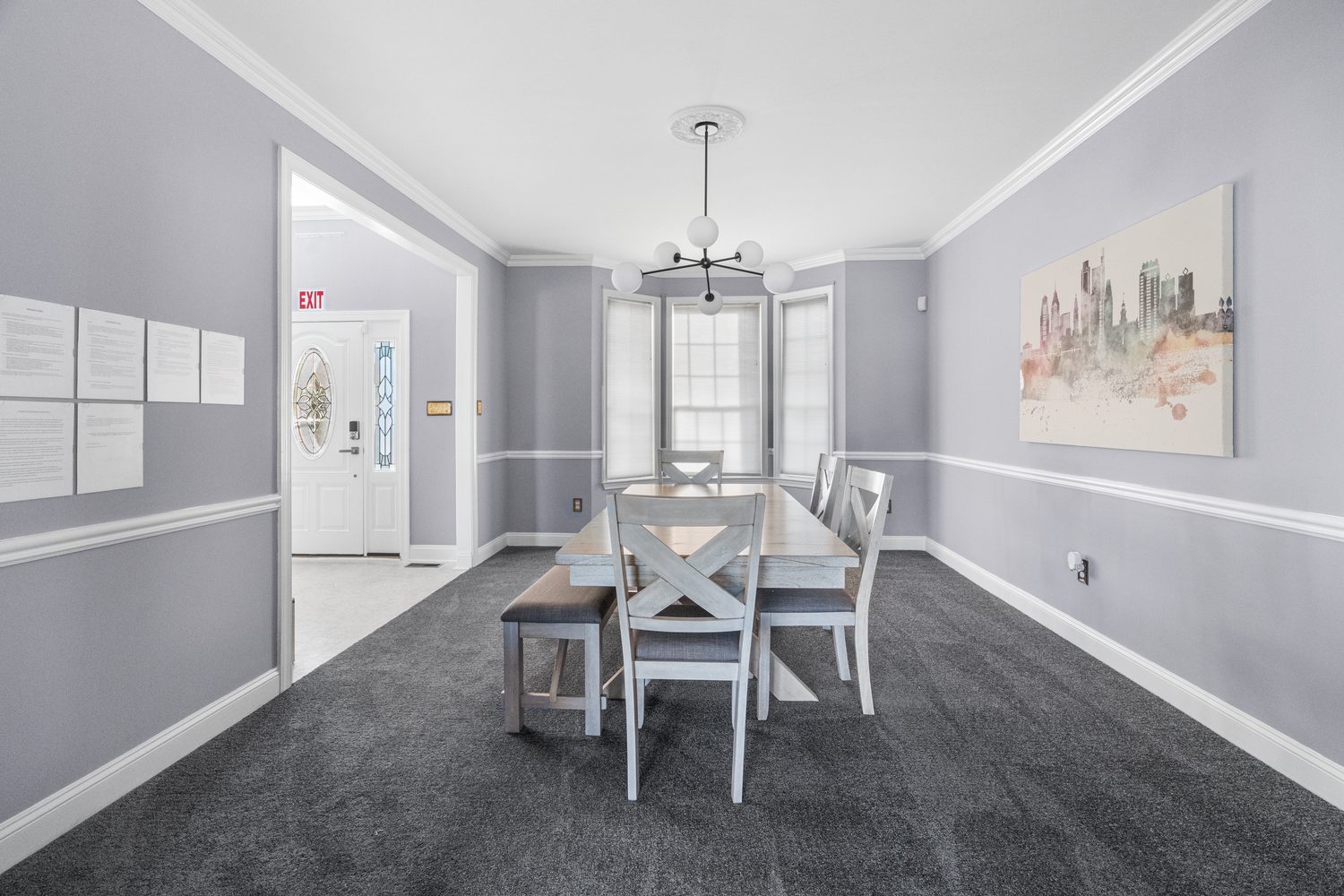
Select a photo to enlarge
Housing fee
$1,500
per month
Insurance generally covers clinical treatment, not housing. The housing fee and agreement are separate and explained before you commit.
When there is a documented financial hardship, ask Admissions whether a sliding-scale housing fee may be available.
What the fee supports
One monthly figure, with the practical pieces built in.
- 01Individual food shopping
Support with weekly groceries and the food you choose for your own routine.
- 02Transportation
Rides to and from Eleve clinical services and coordinated house activities.
- 03Gym membership
A consistent place for movement, stress relief, and a healthier weekly rhythm.
- 04Social and recreational activities
Planned trips, local outings, meals out, and experiences that make recovery feel connected to real life.
- 05On-site support
A live-in house manager and trained behavioral-health technicians available around the clock.
The plain terms
Housing supports treatment. It does not replace it.
Clients may travel to Eleve from their own homes or choose supportive housing when added structure would make outpatient care more workable.
Staying at the house is never required to receive treatment at Eleve.
Therapy, psychiatric care, medication services, and case management happen through Eleve.
House support and the clinical plan communicate appropriately so the week feels connected rather than fragmented.
Housing is made available through our partner organization under its own agreement. Fees are set and explained before you commit.
Questions we get
Before you decide.
Admissions · answered 24/7
Wondering whether housing would help? Let’s talk it through.
There is no commitment in asking. We can explain current availability, the housing agreement, the fee, and how the house would fit alongside your clinical plan.
questions about your care
Do you offer supportive housing?
Yes, supportive housing is available for clients in PHP and IOP who benefit from added structure and accountability. It provides a safe, recovery-focused environment during treatment.