Resources & News
Kratom vs 7-OH: How Are They Different?
Kratom is a natural compound extracted from the whole kratom leaf, consumed as powder, tea, or capsules, while 7-OH is a metabolite of the drug.
Published 2026-01-268 min read
Original clinical review: Christopher Diviaio, LCSW
Christopher DiViaio is a Licensed Clinical Social Worker with over a decade of experience supporting individuals, families, and groups through complex emotional and life challenges. Grounded in strong family values, Christopher believes that meaningful connection, stability, and mutual support are foundational to emotional health and long-term growth. Outside of his clinical work, Christopher is laid-back and values balance—he enjoys hiking, gaming, and tabletop strategy games like Warhammer. He is a proud husband and father of two, and he strives to model presence, curiosity, and resilience both at home and in his professional life. Christopher believes that staying connected to family, personal interests, and real-life experiences is essential to growth, emotional regulation, and overall well-being.
This attribution is retained from the existing published article. New or revised program information requires an updated clinical review before publication.
Kratom and 7-hydroxymitragynine (7-OH) are often mentioned together in discussions surrounding natural compounds with opioid-like effects. While they are chemically linked, they are not the same, and understanding their key differences is crucial, especially for those self-treating conditions like opioid withdrawal or anxiety, or for professionals concerned about public health and substance use disorder.
In this article, we’ll examine how kratom and 7-OH differ in origin, potency, health effects, legal status, and risks. We’ll also look at why kratom extracts and high-potency derivatives like 7-hydroxymitragynine raise significant safety concerns, despite their growing popularity in smoke shops, convenience stores, and online marketplaces.
What Is Kratom?
Kratom refers to the leaves of the Mitragyna speciosa tree, a tropical tree native to Southeast Asia, particularly Thailand, Indonesia, Malaysia, and Papua New Guinea. Known locally for centuries as a mood enhancer and energy booster, traditional kratom use involved chewing kratom leaves or brewing them into tea.
Kratom contains multiple alkaloids, with mitragynine being the main alkaloid. Mitragynine occurs naturally and binds to mu opioid receptors, producing effects similar to classical opioids, especially at higher doses.
However, kratom’s alkaloid profile is complex, and among these natural compounds is 7-hydroxymitragynine (7-OH), a highly potent compound and partial opioid receptor agonist.
What Is 7-OH?
7-hydroxymitragynine (7-OH) occurs naturally in small amounts in kratom. FDA describes it as less than 2% of the total alkaloid content of natural leaves—not 2% of leaf weight. Concentrated products should not be treated as equivalent to natural leaf.
Source: FDA · kratom safety and approval status
What makes 7-OH notable is its significantly higher binding affinity to mu opioid receptors compared to mitragynine. According to scientific data, 7-OH is 13 to 46 times more potent than morphine in animal models.[1]
Key Differences Between Kratom and 7-OH
Source and Occurrence
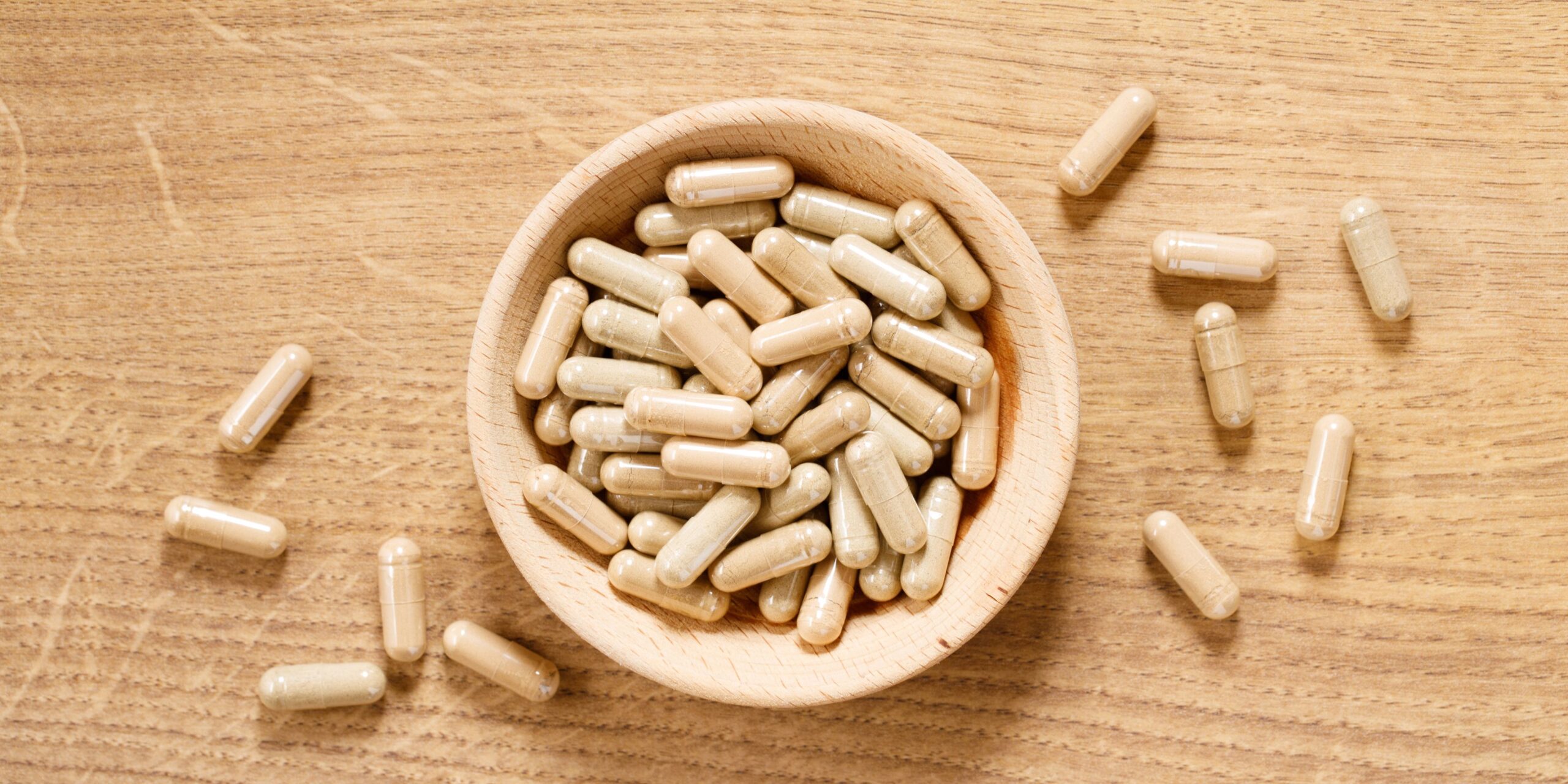
Kratom is a natural compound extracted from the whole kratom leaf, consumed as powder, tea, or capsules.
On the other hand, 7-OH is a metabolite of mitragynine, or an additive in kratom products such as enhanced powders or extracts.
Potency
Kratom (especially at low doses) acts as a stimulant. At higher doses, it mimics opioid-like effects.
7-OH is highly potent, even in small amounts, and is more closely aligned with classical opioids in terms of strength.
Pharmacology
Kratom activates mu and kappa opioid receptors, though less efficiently than opioids.
7-OH binds more selectively and strongly to mu opioid receptors, contributing to its increased respiratory depression risk.
Usage in Products
Natural kratom leaf has a wide range of alkaloids.
Some kratom extracts are fortified with synthetic or semi-synthetic 7-OH, which raises concerns for public health and potential for abuse.
Health Risks and Adverse Effects
While kratom is often marketed as a dietary supplement, especially in the U.S., its safety profile remains controversial.
Kratom Use and Kratom Withdrawal
Chronic use of kratom, especially high potency products, can lead to kratom withdrawal, with withdrawal symptoms including:[2]
- Muscle aches
- Irritability
- Anxiety
- Insomnia
- Nausea
As kratom affects the same opioid receptors as other drugs (like heroin or oxycodone), prolonged exposure can lead to substance use disorder and dependence.
7-OH and Respiratory Depression
Unlike the natural kratom leaf, 7-OH has been linked to respiratory depression—the same life-threatening condition seen with opioid overdoses. This makes 7-OH particularly concerning in concentrated products or for users unaware of its potency.
Liver Toxicity and Other Health Problems
According to the U.S. Food and Drug Administration (FDA) and poison centers, kratom products have been associated with adverse events, including:[3]
- Liver toxicity
- Seizures
- Hallucinations
- Elevated heart rate
- Risk of death when combined with other substances
CDC’s April 2019 report analyzed July 2016–December 2017 overdose data from participating states. Kratom was detected in 152 deaths and identified as a cause in 91. Seven had no other substance detected, but additional substances could not be ruled out. These findings do not prove that isolated 7-OH caused those deaths.
Source: CDC MMWR · April 2019; July 2016–December 2017 overdose data and limitations
Legal Status and Regulation
FDA’s July 13, 2026 update describes the start of a federal temporary-scheduling process targeting concentrated 7-OH and certain synthetic derivatives, not natural leaf with trace levels. A notice of intent is not itself a final scheduling order; consult the linked agency update for developments.
Source: FDA · 7-OH regulatory update, July 13, 2026; notice is not a final order
Some states and local jurisdictions have banned kratom altogether, while others have enacted protections like the Kratom Consumer Protection Act, which regulates:
- Product labeling
- Age restrictions
- Contaminant testing (e.g., for heavy metals)
State and local restrictions vary and can change. FDA directs consumers to state health and law-enforcement agencies for applicable state requirements; an old list of bans is not a reliable guide to current legality.
Source: FDA · kratom safety and approval status
Clinical Applications and Public Health Debate
Advocates of kratom argue that it can support relapse prevention in opioid use disorder, offering a natural alternative to methadone or buprenorphine. Many users report using kratom to self-treat conditions like:
- Anxiety
- Depression
- Chronic pain
- Opioid withdrawal
Yet clinical data are limited. Some researchers have called for more studies under medical supervision to determine if kratom can be a valid component in professional detox or treatment strategies.
However, due to the high potency of 7-OH and its presence in some kratom formulations, there is growing concern about neonatal abstinence syndrome in infants born to kratom-using mothers, as well as the increased difficulty in quitting kratom due to 7-OH’s stronger pharmacological profile.
Kratom Products on the Market
The kratom market includes:
- Raw powder from kratom leaves
- Extracts and tinctures
- Capsules and tablets
- Enhanced leaf blends
Many of these products are available in smoke shops and convenience stores, often without quality control or dosage consistency. Some may contain added 7-OH or other substances, increasing health risks.
What Consumers Should Know
If you’re considering kratom—or more specifically, any product containing or fortified with 7-OH—here are key takeaways:
- Natural kratom leaf is less potent and typically carries fewer acute risks than 7-OH-enhanced products.
- Always be skeptical of high-potency products, especially concentrated products marketed as “extra strength.”
- The legal status of kratom varies, and protections like the Kratom Consumer Protection Act are not in place in every state.
- Combining kratom or 7-OH with other drugs increases the risk of adverse effects.
- Medical supervision is advised for anyone using kratom for opioid withdrawal or trying to quit kratom after dependence.
Get Connected to Kratom and 7-OH Addiction Treatment
The debate of kratom vs 7-OH is more than just chemical—it’s a question of public health, consumer safety, and scientific understanding. While kratom leaves from the tropical tree native to Southeast Asia have a long history of use, the rise of highly potent compounds like 7-OH in kratom products presents significant risks that can no longer be ignored.
Whether you’re a kratom user, healthcare provider, or policymaker, it’s important to distinguish between the natural kratom leaf and synthetic or semi-synthetic alkaloids like 7-hydroxymitragynine, as each comes with its own profile of effects, legality, and risks.
If you or a loved one abuses kratom and 7-OH, it’s time to seek professional help. At Eleve Behavioral Health, we can provide you with the tools and support you need to achieve long-term recovery. Contact us today to learn more about how our addiction treatment programs work.
Frequently Asked Questions (FAQ) About Kratom and 7-OH
1. Can 7-hydroxymitragynine (7-OH) be isolated and sold on its own?
Concentrated 7-OH products are sold in retail stores and online, sometimes under kratom labeling. Their availability does not establish safety or lawful marketing. FDA warns against buying 7-OH products; concentrated products are not equivalent to natural kratom leaf.
Source: FDA · 7-OH consumer guide; product differences and safety (PDF)
2. Is kratom detectable in drug tests?
Standard drug panels (like a 5-panel test) do not typically screen for kratom or its alkaloids. However, specialized tests can detect mitragynine and 7-OH, particularly in workplace or legal contexts. Detection windows vary but are generally within a few days of use, depending on dose and frequency.
3. Can kratom or 7-OH interact with prescription medications?
Yes. Both kratom and 7-OH may interact with other substances, particularly those metabolized by the cytochrome P450 liver enzymes. This can impact blood levels of medications like antidepressants, benzodiazepines, or opioids, increasing the risk of adverse effects or reduced effectiveness. Always consult a healthcare provider before mixing kratom with any medication.
4. Why are some kratom products more dangerous than others?
Product contents vary. Elevated 7-OH concentrations are one concern; FDA has also documented Salmonella and heavy-metal contamination in kratom products. A familiar brand or reassuring label does not establish that a product is safe.
Source: FDA · kratom safety and approval status
5. Are there safe ways to taper off kratom use?
Tapering kratom use should ideally be done under medical supervision, especially if the individual has been using high doses or concentrated products. Gradually reducing the dose over time, staying hydrated, and managing withdrawal symptoms like insomnia or irritability can help. In some cases, professional detox programs may be recommended, especially if there is concurrent use of other drugs.
6. What is the difference between mitragynine and 7-OH?
While both are alkaloids found in kratom, mitragynine is the primary compound in the raw kratom plant, whereas 7-OH is a minor metabolite that is more potent at the mu opioid receptor. Mitragynine is less likely to cause respiratory depression, while 7-OH’s effects are much stronger and more similar to traditional opioids.
References:
- Science Direct: Evaluation of the rewarding effects of mitragynine and 7‐hydroxymitragynine in an intracranial self-stimulation procedure in male and female rats
- The National Library of Medicine (NLM): Kratom withdrawal: Discussions and conclusions of a scientific expert forum
- The Food and Drug Administration (FDA): FDA and Kratom
The Centers for Disease Control and Prevention (CDC): Notes from the Field: Unintentional Drug Overdose Deaths with Kratom Detected — 27 States, July 2016–December 2017

compassionate care.
clinical excellence.