Resources & News
How Long Does Rehab Last? Understanding the Journey to Recovery
For individuals facing severe substance use disorder, extended programs lasting 60-90 days provide the intensive support needed.
Published 2025-12-167 min read

Original clinical review: Christopher Diviaio, LCSW
Christopher DiViaio is a Licensed Clinical Social Worker with over a decade of experience supporting individuals, families, and groups through complex emotional and life challenges. Grounded in strong family values, Christopher believes that meaningful connection, stability, and mutual support are foundational to emotional health and long-term growth. Outside of his clinical work, Christopher is laid-back and values balance—he enjoys hiking, gaming, and tabletop strategy games like Warhammer. He is a proud husband and father of two, and he strives to model presence, curiosity, and resilience both at home and in his professional life. Christopher believes that staying connected to family, personal interests, and real-life experiences is essential to growth, emotional regulation, and overall well-being.
This attribution is retained from the existing published article. New or revised program information requires an updated clinical review before publication.
Choosing to seek addiction treatment is a courageous step toward healing. If you or a loved one is struggling with drug or alcohol addiction, one of the most common questions is: How long does rehab last? The answer varies depending on several factors, including the type of substance abuse, the severity of the addiction, and the specific treatment programs available.
This article will detail how long rehab programs may last, how to determine the right level of care for your needs, and where to find treatment for addiction and mental health conditions.
The Importance of Individualized Care
Addiction is a deeply personal experience, and so is recovery. That’s why many treatment centers focus on creating an individualized treatment plan for each person. This plan considers medical history, mental health concerns, co-occurring disorders, and lifestyle needs. The goal is to ensure the treatment process fits the person’s unique situation, promoting a lasting recovery.
Treatment Duration: What to Expect
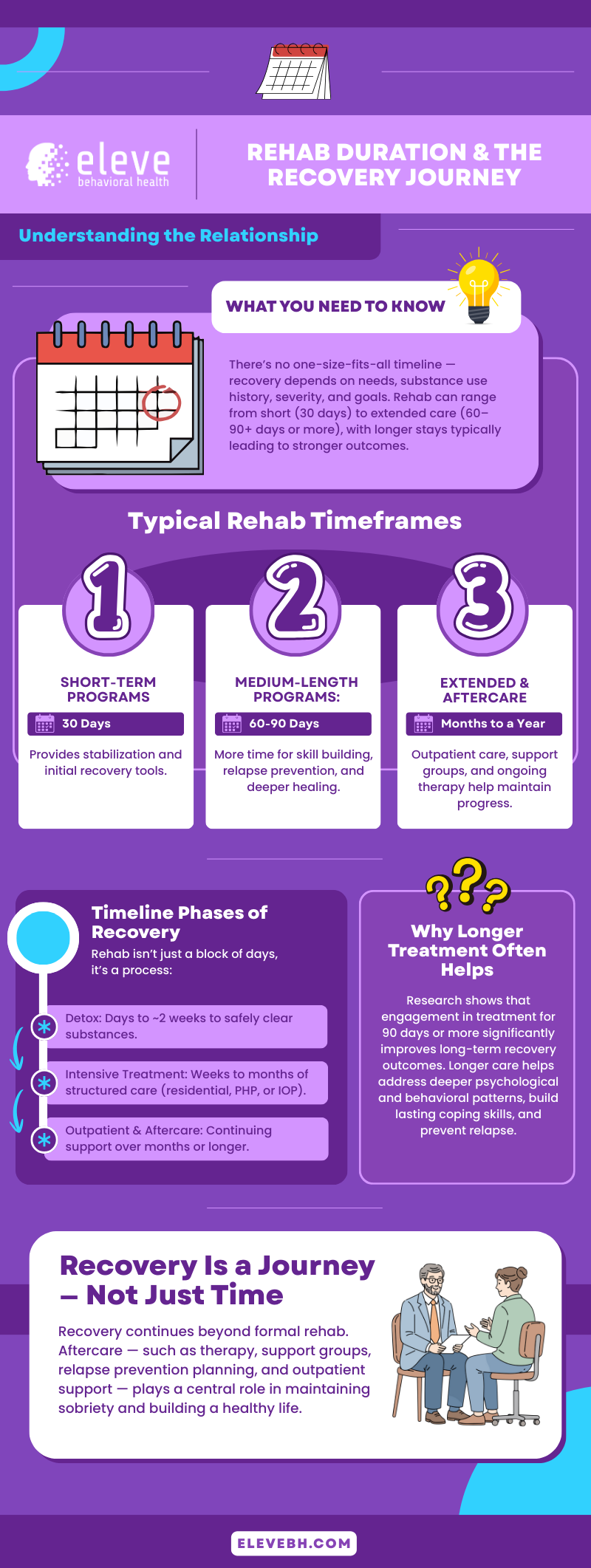
When considering how long rehab takes, it’s helpful to understand that treatment duration can vary from person to person. There are short-term and long-term rehab programs, and each has benefits depending on the individual’s needs.
Short-Term Programs
Short-term programs typically last around 28 to 30 days. These may be suitable for those with a mild to moderate substance use disorder. A short-term program often includes detox, therapy sessions, and preparation for ongoing outpatient care. While this option may provide a solid foundation, it may not be sufficient for those with severe addiction or co-occurring mental health conditions.
Long-Term Rehab Programs
Longer rehab programs can last 60, 90, or even 120 days. For individuals facing severe substance use disorder, extended programs can provide the supportive and structured environment needed to address deep-rooted issues. Long-term rehab allows for more time to build coping mechanisms, participate in individual and group counseling, and stabilize both physically and emotionally.
Types of Addiction Treatment Programs
Rehab programs are typically categorized into inpatient and outpatient formats. Each type provides a different level of care and commitment.
Inpatient Rehab
Inpatient treatment offers a residential, structured program in a treatment facility. Individuals live at the rehab facility full-time and receive 24-hour support. This setting is ideal for people with severe addiction or those dealing with co-occurring disorders. Inpatient rehab focuses on intensive therapy, medical care, and creating a safe space for healing.
Outpatient Programs
Outpatient rehab is a more flexible option that allows individuals to attend treatment services while continuing to live at home. Outpatient programs are suitable for those with strong support systems or less severe substance abuse. These programs range in intensity.
Outpatient programs typically involve a few therapy sessions each week, while intensive Outpatient programs (IOP) require more frequent sessions, often several hours per day, multiple days a week.
Outpatient drug rehab programs offer continued support after inpatient care or for those seeking addiction treatment with manageable levels of care. They are also the most flexible treatment options.
Factors That Influence the Length of Rehab
Several factors can affect how long addiction treatment programs last:
- Severity of addiction: More severe substance use often requires longer rehab.
- Co-occurring disorders: Mental health treatment is often needed alongside addiction care for those with co-occurring conditions.
- Type of substance: Different substances affect the brain and body differently, which can alter the treatment duration.
- Support system: A strong family or community network may influence whether outpatient care is suitable.
- Progress in recovery: The individual’s responsiveness to therapy and ability to apply new coping skills will shape the program length.
It is critical to find the right level of care for your unique needs. Contact the Eleve Behavioral Health specialists to learn about your assessment, treatment, and recovery support options.
What Happens After Rehab?
Completing a rehab program doesn’t mean the recovery journey is over. In fact, it’s just the beginning. Aftercare programs are essential for maintaining sobriety and building a healthy, fulfilling life.
After inpatient or outpatient treatment, many individuals transition into aftercare programs. These may include sober living homes, regular therapy sessions, support groups, and continued group counseling. Aftercare is critical for achieving long-term recovery and preventing relapse.
Insurance Coverage for Rehab
The cost of rehab is often a concern, but many people find that most insurance providers offer substantial help. It’s essential to verify your insurance coverage before starting treatment. The treatment center can often assist with the admissions process and work with your insurance provider or insurance carrier to determine your benefits.
Insurance plans may cover:
- Inpatient treatment
- Outpatient treatment
- Therapy sessions
- Mental health treatment
- Medication-assisted treatment
Being informed about your insurance plan can help make rehab more accessible and less stressful.
Evidence-Based Therapies and Holistic Care
Effective addiction rehab includes evidence-based therapies like cognitive behavioral therapy (CBT), dialectical behavior therapy (DBT), and motivational interviewing. These methods help individuals understand the root causes of their addiction, develop coping strategies, and rebuild their lives.
Holistic options such as yoga, meditation, art therapy, and fitness programs may also be part of the treatment plan. These therapies support mental, emotional, and physical well-being during recovery.
Finding the Right Treatment Facility
Many facilities offer a range of rehabilitation services. However, not all centers can provide high-quality treatment and recovery support. Choosing the right rehab facility is crucial.
Look for a center that offers:
- Accredited and licensed treatment programs
- A compassionate and experienced staff
- A range of inpatient and outpatient rehab options
- Co-occurring disorders treatment
- An emphasis on long-term recovery
- Access to aftercare and extended programs
Some facilities, like American Addiction Centers, offer comprehensive treatment services that address both addiction and mental health needs in a supportive and structured environment.
Everyone’s recovery journey is different. Some people may benefit from a shorter program, followed by ongoing outpatient care and therapy. Others may need the stability and depth of longer rehab programs to overcome severe addiction and mental health challenges.
The most important thing is to seek treatment and remain committed to the process. With the right treatment center, individualized treatment plan, and support system, achieving lasting recovery is absolutely possible.
Find Treatment and Support Now
Recovery takes time, but every step forward is a step toward healing. If you or someone you love is struggling with drug or alcohol addiction, don’t wait. Reach out to the specialists at Eleve Behavioral Health to learn about our comprehensive assessments, treatment programs, and recovery support. Contact our team to ask questions, verify your insurance, or schedule an intake appointment.
Frequently Asked Questions (FAQ) About The Length of Rehab
1. Can I work or go to school while in rehab?
Yes, many outpatient programs, including intensive outpatient programs (IOPs), are structured to accommodate work or school commitments. These flexible schedules allow individuals to attend therapy sessions in the evenings or on weekends while maintaining their daily responsibilities. However, inpatient rehab typically requires a full-time commitment, making it more difficult to continue work or school during treatment.
2. What happens if I relapse after completing rehab?
Relapse does not mean failure—it’s a common part of the recovery journey for many. If relapse occurs, it’s important to seek support immediately. Returning to treatment, revising your treatment plan, or enrolling in aftercare or outpatient treatment can help get recovery back on track. Many treatment centers offer relapse prevention programs and ongoing support to address setbacks.
3. How do I choose between inpatient and outpatient rehab?
The choice depends on several factors, including the severity of your substance use disorder, your home environment, and your mental health needs. Inpatient rehab is often best for individuals with severe addiction or unsafe living conditions. Outpatient rehab may work well for those with mild to moderate addiction and a strong support system. An assessment by a treatment professional can guide this decision.
4. Are there rehab programs specifically for teens or older adults?
Yes, many treatment centers offer specialized programs tailored to different age groups. Adolescent rehab programs focus on age-appropriate therapy, family involvement, and academic support. For older adults, programs may address age-related health issues, grief, or chronic pain that can contribute to substance abuse. Choosing a treatment center with age-specific services can enhance comfort and effectiveness.
5. How can family members support someone during and after rehab?
Family support plays a vital role in recovery. Loved ones can attend family therapy sessions, educate themselves about addiction, and maintain open, nonjudgmental communication. After rehab, supporting routines, encouraging aftercare participation, and avoiding enabling behaviors can foster long-term recovery. Many treatment centers offer resources for families to get involved.
6. What if I have both a mental health diagnosis and addiction?
This is known as having co-occurring disorders or dual diagnosis. It’s essential to find a treatment center that offers integrated care, meaning they treat both mental health and addiction issues together. This comprehensive approach often includes medication management, individual counseling, and therapy tailored to address both conditions simultaneously.
Sources:
- NIMH: Finding Help for Co-Occurring Substance Use and Mental Disorders
- SAMHSA: Co-Occurring Disorders and Other Conditions
- US HHS: Finding Opioid Treatment
- National Library of Medicine: Medications to Treat Alcoholism

compassionate care.
clinical excellence.